
6 Challenges in Pupil Transportation Software
Managing pupil transportation is one of the most complex tasks schools and providers face. From route planning to safety concerns, the challenges add up. Many providers still rely on paper maps, whiteboards, Excel sheets, and phone calls to coordinate trips. While this might work for a small number of students, it is time-consuming and prone to mistakes. And as the number of students increases, the process can quickly become overwhelming.
Modern student transportation software and school transportation solutions make it easier by combining trip planning, route optimization, and real-time communication in one system. Here are six common challenges providers face, and how technology helps solve them.
Challenge 1: Inefficient Route Planning
-
The Problem: Manual planning with maps or spreadsheets can take weeks to get right and often results in long and inefficient routes and delays.
-
The Solution: Automated student route planning shortens planning time and creates smarter, more reliable routes.
👉 Example: TaxiCaller’s planning tool lets you schedule entire school terms or even the whole year at once, including students with multiple addresses. A provider serving hundreds of students across multiple schools could automatically plan every trip for the year in hours instead of weeks.

Challenge 2: Meeting the Needs of Special Needs Students
-
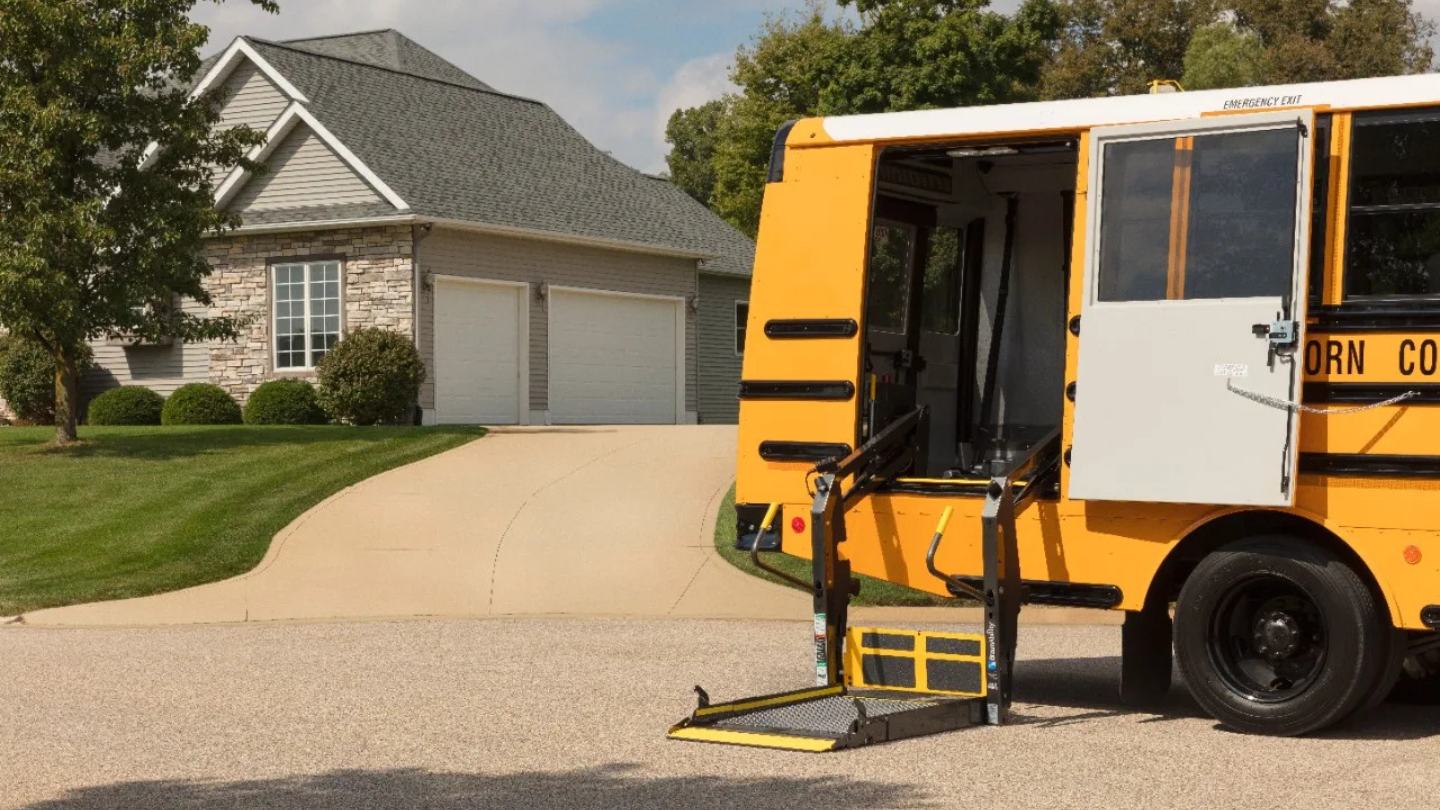
The Problem: Some children require extra care, such as a specific driver, a reserved seat, or assistance getting to and from school. Others need wheelchair access or special vehicle equipment. Managing these requirements adds another layer of complexity.
-
The Solution: A robust pupil transportation system stores student needs and applies them automatically when scheduling rides. This ensures safety, consistency, and peace of mind for families.
👉 Example: A student who requires a wheelchair-accessible vehicle is always matched to a vehicle with a lift. Another child who feels safer with a familiar driver can consistently be assigned to one or two drivers, consequently. This reduces stress for parents and builds trust in the service.
Challenge 3: Adapting to Last-Minute Changes
-
The Problem: Sick children, new addresses, after-school activities, and mid-term enrollments disrupt schedules daily.
-
The Solution: Software makes adjustments simple. Routes can be updated instantly, drivers receive live updates, and schools stay aligned in real time.
👉 Example: If a student is reported absent, the system can remove their stop and recalculate the route. This prevents wasted trips and keeps the driver on schedule for the rest of the students.
Challenge 4: Rising Costs of Fuel and Staffing
-
The Problem: Fuel and driver wages are among the biggest expenses, and budgets are tight. Vehicle wear and maintenance add to the costs.
-
The Solution: Optimized routes reduce mileage, fuel use, idle time, and driver overtime. Shorter trips also cut maintenance costs and lower emissions.
👉 Example: A provider who adopted optimized routing reduced daily mileage, saved thousands in annual fuel costs, and lowered overtime hours—all while cutting their carbon footprint.
Challenge 5: Ensuring Student Safety and Transparency
-
The Problem: Schools need visibility and transparency, but manual reporting is slow and often unreliable.
-
The Solution: Real-time GPS tracking, accurate ETAs, and comprehensive reporting build accountability and improve safety.
👉 Example: You can view live maps to see exactly where each vehicle is, receive alerts if a trip is running behind, and generate compliance reports without extra paperwork.

Challenge 6: Scaling for Growth and Compliance
-
The Problem: Expanding to more schools or larger fleets adds complexity. At the same time, compliance and reporting requirements continue to grow.
-
The Solution: Cloud-based systems scale easily and include reporting tools to stay compliant with regulations.
👉 Example: A small provider expanding into multiple school districts can use automation and cloud dispatching to handle growth without hiring more staff.
Key Takeaway
These challenges are universal—but they don’t have to hold you back. With the right pupil transportation software, you can reduce costs, enhance efficiency, support students with special needs, and provide safer, more reliable journeys for every student.
TaxiCaller helps providers solve these challenges with advanced planning tools, route optimization, and 24/7 support. Each customer also has a personal contact for onboarding and setup, so you’re never alone when facing operational challenges.
FAQ: Common Questions About Student Transportation Software
Is pupil transportation software only for large fleets?
No. Whether you run 10 vehicles or 1,000, the software scales to your needs.
Can providers customize reports for schools?
Yes. Reporting can be tailored for compliance, invoicing, or performance tracking.
How much does pupil transportation software cost?
Pricing depends on fleet size and features. Most providers see savings in time, fuel, and staffing that quickly outweigh the investment. To get a personalized quote on the TaxiCaller school run solution, contact us directly via webchat, phone, or email.
How does the system handle data protection?
TaxiCaller uses cloud hosting, encrypted transfers, and GDPR-compliant data security to keep student information safe and private.
Ready to overcome these challenges in your own operation?
➡️ Book a demo and see how easy student transportation can be.